

EMQ articles
Evangelical Missions Quarterly, from 1964 to the current issue. Page 25 of 160 · 3,835 in all.
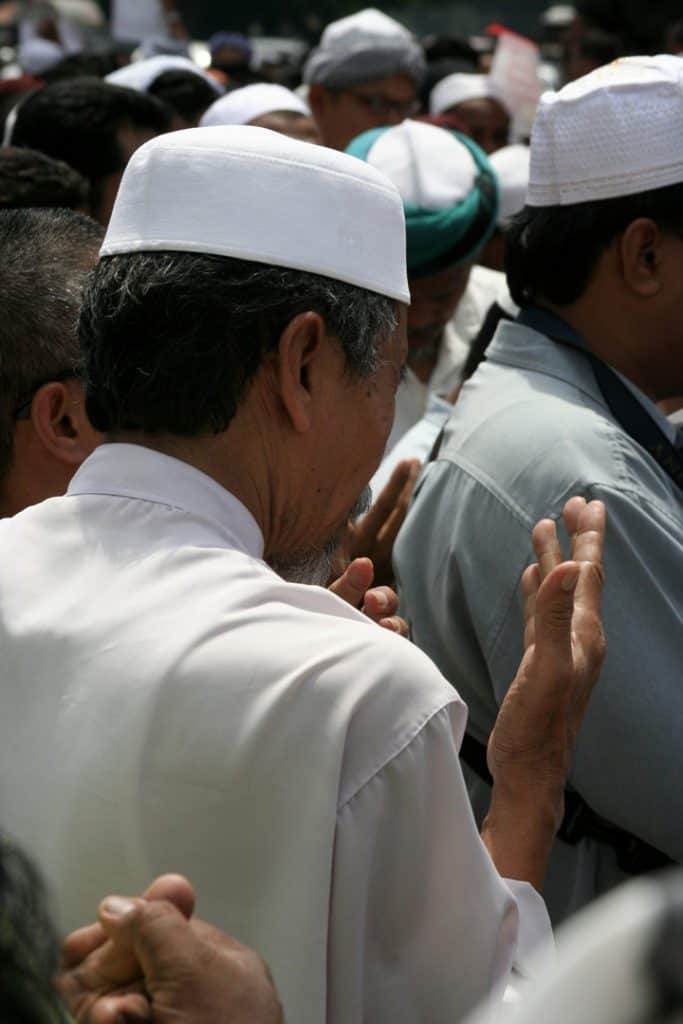
Exploring the Appropriate Contextualization of Salat
The primary reason for this article is that it seems to me that something very important about the contextualization of prayer has been lost in the larger debate about appropriateness of certain kinds of contextualization in the Muslim world.
MissionS: Why the “S” is still important
T h e vocabulary that dominates the theology of mission today features a hierarchy of status describing its very essence. All the terms are derived from the Latin word missio (roughly translated “sent”) and used to convey the concept rooted in the biblical Greek term apostello . At the top is Missio Dei. This is…

Collegial Leadership among 1st and 2nd Generation Chinese Leaders
Over the last thirty years, the Western world has experienced a huge influx of immigrants from mainland China and Hong Kong. This diaspora of Chinese immigrants found fertile soil in Western countries, which is reflected in the plethora of churches scattered throughout. These churches are comprised of first, second…

A Diaspora Mission Strategy for Local Churches
In the last decade, research on and response to migration has become a priority for nations and communities. More recently, mission organizations, denominations, and congregations have rallied to locally address migrants.
Applications of the Orality Discussion
The ongoing Evangelical discussion of orality relates to engaging all peoples with the word, especially those with a high orality reliance (HOR). It is first a discussion—an interaction of scholars and practitioners trying to unlock doors that reveal ways and means of communication and learning.
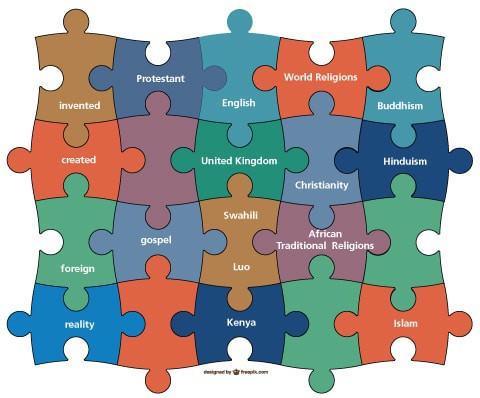
The Fallacy of World Religions: A View from Africa
Teaching world religions to African students in Kenya gradually became a strange experience. I say gradually, because in my earlier years of teaching I did not seem to realize what was happening.
Songs of Life: Music, Mission, and Medicine
In this article, I want to take medical ethnomusicology a step beyond, addressing missiological issues that arise from diverse kingdom practices in Mozambique. I demonstrate how music and the creative arts can constructively engage society, supporting and nurturing a vital way of life and health that bears public…
Hermeneutics for Healthy Churches
As one who is involved in theological education in a missions context, I am encouraged by many young missionaries who recognize that the task of missions is not complete when a few are converted, or when an initial church or even a group of churches are planted among a people group.
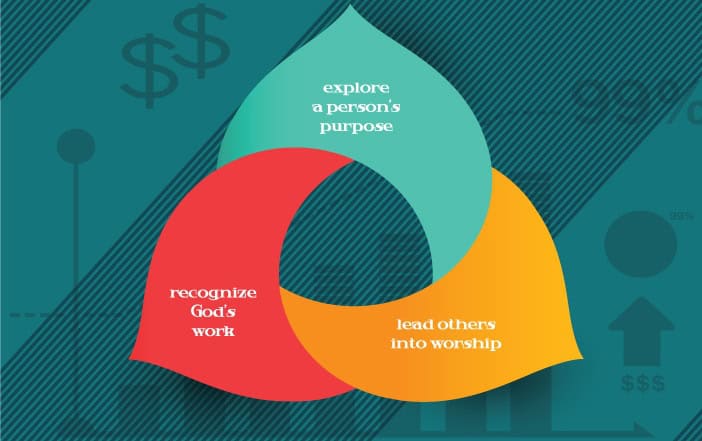
The Untapped Training Potential of Support-Raising
For over seventeen years my husband and I had raised support and had seen both the victories and defeats. However, no matter how short or long it took, or how many struggles we faced along the way, God always provided what we needed in order for us to serve him in the places he led us.
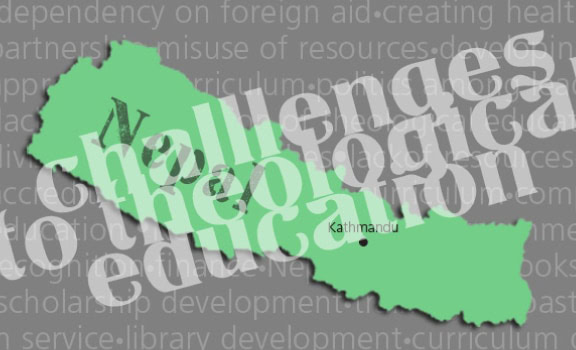
Theological Education in Nepal
The Church in Nepal is the fastest-growing Church in the world today (Mitchell 2013). Officially, there were no Christians and Protestant missionaries living in Nepal until 1951.

A South-to-South Mission Force
Missiologists have already observed that the center of the Christian faith has shifted to the Majority World (Latin America, Africa, and Asia), what most of the current literature in missiology calls the “Global South.”
Can We Measure Dependency?
How can we analyze the level of dependency in a church or ministry that has support from overseas? Can we monitor the effectiveness of measures that are implemented in order to increase local sustainability over time?
The Integrity Challenge
Every Christian with a heart to please Christ faces a daily challenge to maintain and even grow in integrity—to be as good on the inside as we may seem to others on the outside. The measure of character, as has been wisely observed, is what we do and think when nobody is looking.
Leadership Legacies: Why Character Trumps All
Whatever else one may say about Paul’s logic, he makes it clear that all the credit and glory for his work belongs to God. Every person in ministry would humbly acknowledge the same truth. And yet, how often do we seek to position ourselves so that when the report, article, or book is written, we will receive…

The Religious Pluralization of America: Implications for Preaching, Teaching, Writing, and Reading
A 2015 published Pew study on America’s changing religious landscape spanning from 2007 to 2013 indicates that the Christian population in the U.S. is shrinking from 78.4% to 70.6%, a 7.8% decline. This is in contrast with the world religions category, which saw an increase from 4.7% to 5.9%, a growth of 1.2%.
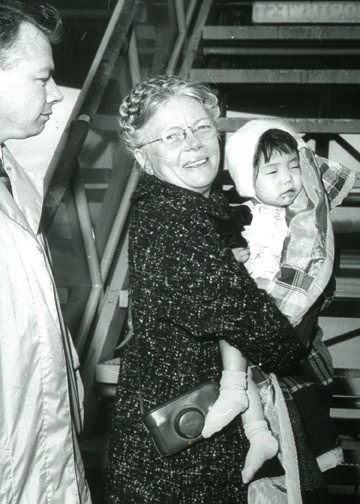
Transnational Adoption: A Noble Cause? Female Missionaries as Pioneers of Transnational Adoption, 1945-1965
All theology is based on autobiography. All theology has its unique color and context, and so does my missiology. My missional focus for this article is transnational adoption in the larger context of the ministry of compassion.

The LAUNCH Survey: Helpful and Hindering Factors for Launching into Long-term Missions
A few years ago the founder of our training program said , “We have a lot of people who come to us with a desire to serve God internationally, but not all end up overseas. How can we help people get to the mission field? What things are helpful? What things hinder? How can we help address these issues?” These simple…
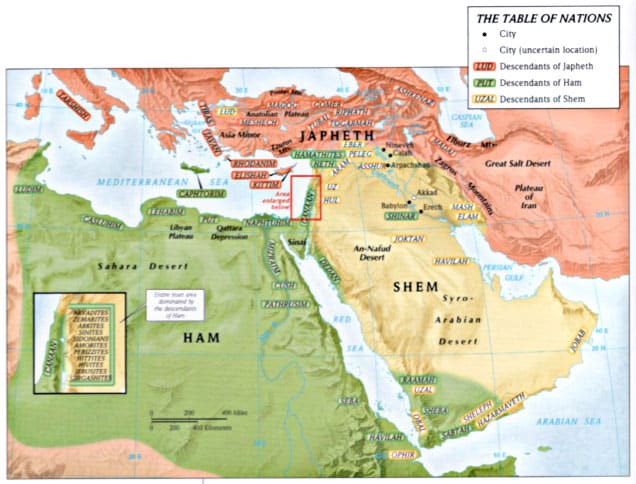
Paul’s Seven Missionary Journeys with Seven Implications
Not everything in our Bibles is inspired. The words certainly are, but the chapters, verses, footnotes, references, and maps are not. This is particularly true when it comes to Paul’s missionary journeys.
Preaching the Word in Season and Out: The Portrayal of Missionaries in Contemporary Fiction
The Christian religion has been developed mainly from scriptural sources—the writings that form the Bible. Secondary sources have included such works as the Nicene Creed, the Chalcedonian Formula , the Catechism of the Catholic Church , and the Westminster Confession of Fait h.

The Culturally Intelligent Mission Organization: Five Factors to Evaluate
The phenomenon of globalization is impacting all sectors of society, and mission agencies are no exception. Of course, mission agencies have always been concerned with culture—we have been talking about cross-cultural communication and strategies for reaching out across cultures for as long as we’ve existed
Fruitful Near-culture Church Planters: A Qualitative Study
It is a fundamental principle of church-planting movements that workers for the harvest are in the harvest (Garrison 2004, 172; Cole 2005, 149). We have the privilege of living in a time when more and more missionaries are emerging from the harvest itself.
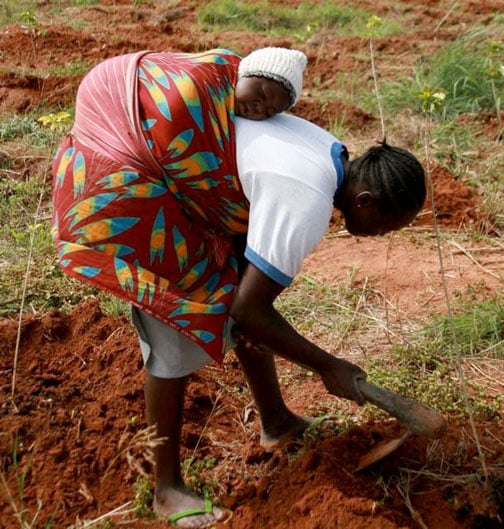
Piercing the Purdah: Empowering Women for Active Engagement in Christian Mission through Enterpreneurship
While women continue to sacrifice immensely for God’s mission, they are victims of sexism and marginalization.
Reflections on Latin American Member Care
It is recognized that the member care movement in Latin America started around the 1999-2000s (O’Donnell 2011). In this article, I would like to introduce the idea that, symbolically, we could say that as a movement, Latin member care workers are in an adolescent stage. We have a lot of passion, but we are not well…
The Use of Pictures in Oral Bible Storying
I was always the kid who avoided art class at any cost. Who would have guessed that now I would be known as the “Picture Drawing Lady?”