

Tibet: The Roof of the World
EMQ » April – June 2024 » Volume 60 Issue 2
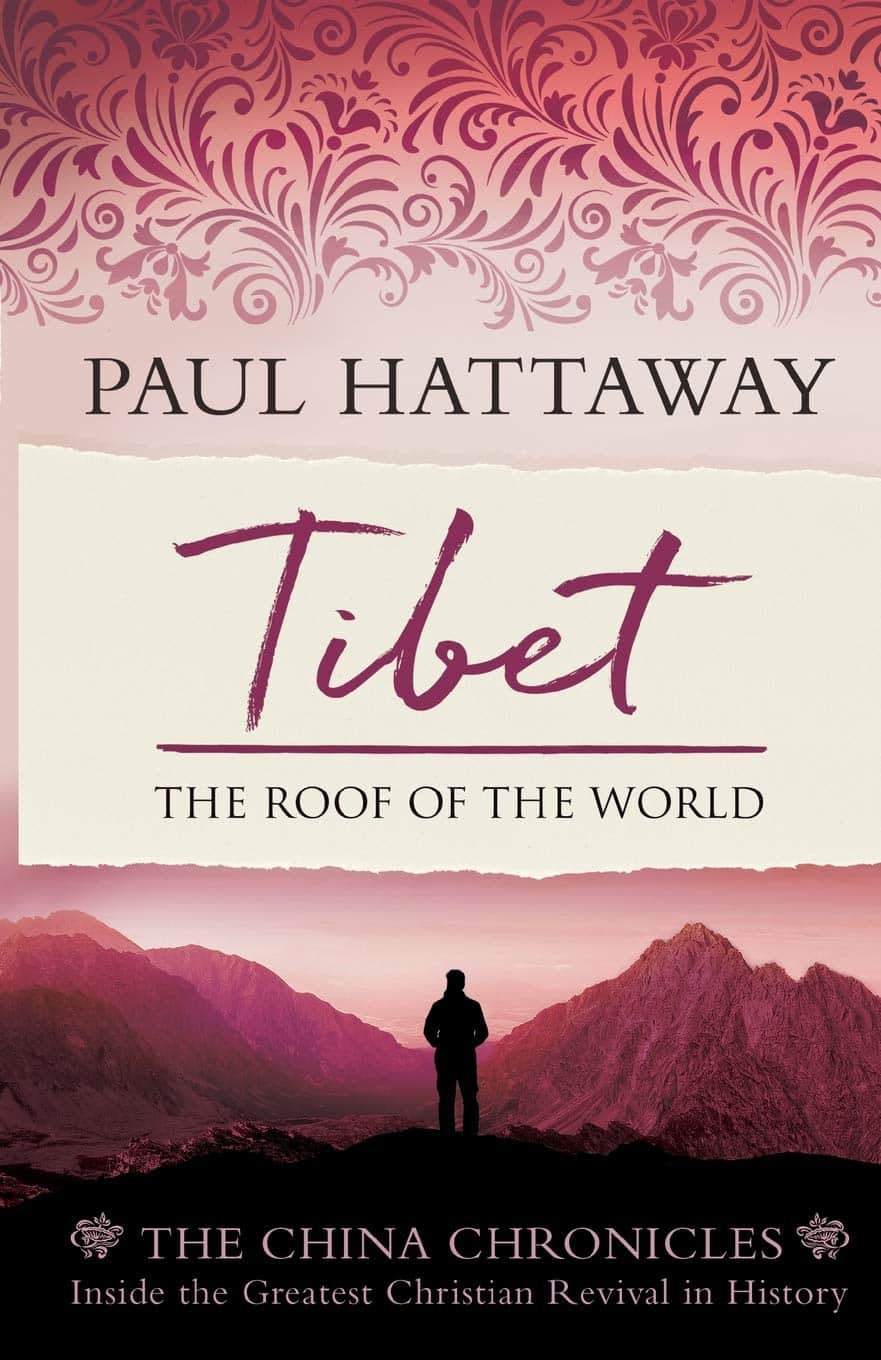
Tibet: The Roof of the World
By Paul Hattaway
William Carey Publishing, 2022
270 pages
US$18.99
*As an Amazon Associate Missio Nexus earns from qualifying purchases.
Reviewed by Daniel Topf (PhD, Fuller Theological Seminary), missions coach with World Team in Greendale, Wisconsin.
Tibet is Paul Hattaway’s fourth volume within his The China Chronicles series. The author wrote the book so that readers would be “touched, inspired, and challenged” as they “read the accounts of the many courageous and faith-filled disciples of Christ who have attempted to exalt the name of Jesus Christ in Tibet, against overwhelming odds and in the face of powerful spiritual forces that have done all they can to hinder the advance of the gospel at every step of the way” (15).
Hattaway begins with a historical overview in which the Nestorians and various early Roman Catholic missionaries (especially the Jesuits) are discussed. The focus then switches toward the evangelical world, with various Western missionaries as well as believers from different parts of Asia contributing to the spread of the gospel in Tibet. Individuals like George Parker, Annie Taylor, Albert Shelton, Sundar Singh, and Nyima Chothar all labored while facing extraordinary difficulties. As the venerable Hudson Taylor so aptly put it, “To make converts in Tibet is similar to going into a cave and trying to rob a lioness of her cubs” (14, 71).
The book’s subtitle, “Inside the Greatest Christian Revival in History,” might be confusing at first, as it refers more to the growth of Christianity in China overall. As a renowned expert on China, Hattaway is keenly aware that Tibet continues to be one of the least reached areas of the world. Despite encouraging church growth in the past few decades, many counties in Tibet have only a few or no known believers, as the maps and detailed tables included in the three appendices reveal.
Just the chapter about the incredible story of the first Tibetan Bible already makes buying the paperback well worth it. This commendable effort, Hattaway reports, began in 1856 and was only concluded after World War II, in 1948. The number of obstacles that had to be overcome to complete this translation of the Bible makes for a fascinating read. The vastness of the Tibetan plateau that had to be crossed, the intense spiritual warfare, and the particular historical circumstances all played a role in delaying the process, and as such this story can be seen as a microcosm of what missions in Tibet have been like in general. The book is highly informative, covering not only the heartland of Tibet but also the surrounding areas in which Tibetans live. In addition, over one hundred photographs (in black and white) contribute to making Tibet a vivid and engaging read.
For Further Reading
Operation China: Introducing all the Peoples of China by Paul Hattaway (William Carey Publishing, 2003).
Leaving Buddha: A Tibetan Monk’s Encounter with the Living God Paperback by Tenzin Lahkpa and Eugene Bach (Whitaker House, 2019).
A Star in the East: The Rise of Christianity in China by Rodney Stark and Xiuhua Wang (Templeton Press, 2016).
EMQ, Volume 60, Issue 2. Copyright © 2024 by Missio Nexus. All rights reserved. Not to be reproduced or copied in any form without written permission from Missio Nexus. Email: [email protected].
Published by Missio Nexus, .