


EMQ » Jul – Sept 2026 » Volume 62 Issue 3
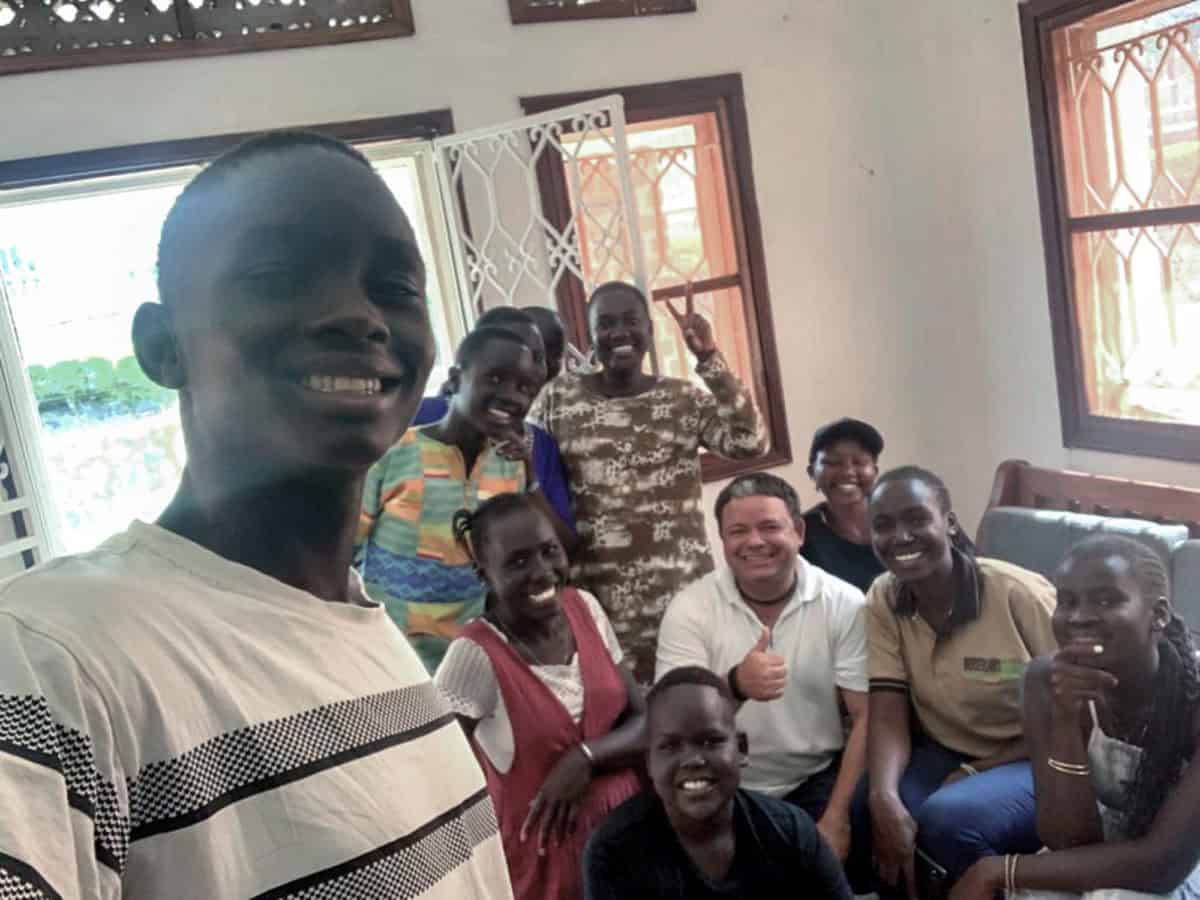
Summary: Jesus’ disciples walked with him, ate with him, lived with him, hurt with him, and later reproduced what they experienced. The most effective discipling occurs in multigenerational community. It is active and flexible to changing circumstances. The best disciplers come alongside disciples, teaching them to apply the Bible amid the challenges of everyday life.
By Evelyn Hibbert
In my youth context, discipleship seemed relatively simple. Churches were strong, multigenerational communities. New Christians were introduced to the daily quiet time discipline of personal Bible study and prayer. There were varied opportunities for service for different age groups. Lay wisdom, service, and experience were valued.
In ensuing decades, Christian training professionalized, and churches shrunk. Lay members lost confidence and church communities thinned or even disappeared. These changes meant the primary means of making disciples—person-to-people interaction—was mostly lost. In its place, professionally trained ministers ran courses like they learned in Bible College. Christians raised in these contexts who moved out into mission replicate what they have experienced.
This issue is a call to rediscover people in discipling. Jesus’ disciples walked with him, ate with him, lived with him, hurt with him, and later reproduced what they experienced. Jesus said, “Come follow me.” This was an active, physical walking. Cognitive instruction occurred along the way, amid the challenges of everyday life and ministry.
Moving means changing. Along-the-way discipleship forces us to engage with what we encounter. It forces us to search the Bible to find answers to the complex, unexpected issues people struggle with in everyday life. We appreciate diverse spiritual gifts because we need them to manage community life. We seek out and experiment with new tools (such as digital) rather than dismissing them as threats. Through this, everyone’s faith becomes more vibrant. As the group walks along together, it’s easier to say to bystanders, “Come along and join us.”
All of us, even mature missionaries, are still disciples, continuing, in all of life, to follow Jesus (Andy Smith). Being disciples should drive us to be out among the lost (Manuel Becker), sharing God’s Word where people can see it (Matthew Summers), and bringing reconciliation between communities in conflict (Bryan Carey). The core of discipling is relationship with God that affects what we do (Joe Handley and Mary Jo Wilson). This provides answers to major contextual challenges such as unforgiveness (José L. Cruz Parada), curses (Neil Miller), and finding the best translation for God’s name (Mark Durie). All this depends on access to the Bible and engaging with its content (Matthew Elliott).
Additionally, three authors give compelling examples from their own experience about church planting, teaching, and mission sending. Eliza Kettering discusses how women’s situations so often differ from men and the effect of this on church planting strategies. Jennifer Belcher urges us to adopt learner-centered approaches when teaching across cultures. Gillian Mwaura challenges us to support contextually appropriate funding models for Majority World missions.

Evelyn Hibbert
Editorial Director
EMQ, Volume 62, Issue 3. Copyright © 2026 by Missio Nexus. All rights reserved. Not to be reproduced or copied in any form without written permission from Missio Nexus. Email: [email protected].


This is such an important thing to highlight. Thank you, Evelyn! Without life-on-life discipleship, even if you are using wonderful reproducible tools like Discovery Bible Study, it falls far short of discipleship the Jesus way. I like how you call it “along-the-way discipleship.” Groups like YWAM and Cru do this through their in-community trainings, but somehow we have to help every disciple learn to disciple others in the context of real life. That’s why we have to keep championing disciple-making outside the walls of the church building and in our natural environments of work and play. Again, thanks for highlighting this important shift!