EMQ (Evangelical Missions Quarterly)
January – April 2026 | Volume 62 Issue 1
(If you encounter difficulty, contact [email protected])
Editorial

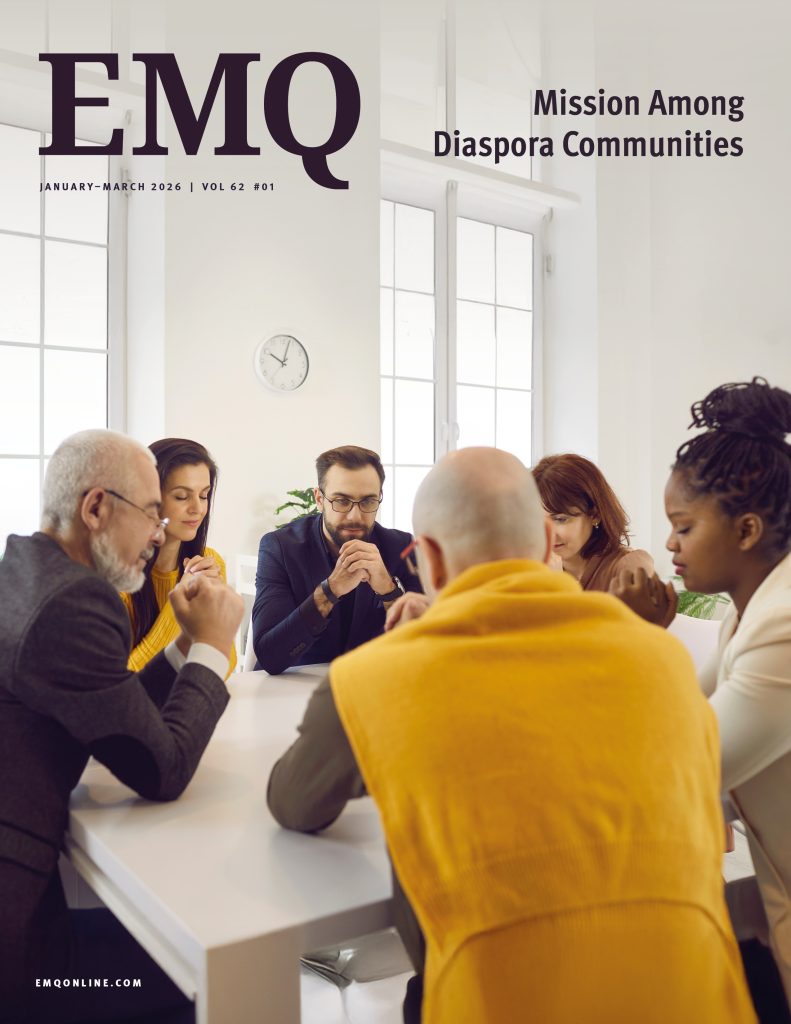
Mission Among Diaspora Communities
By Evelyn Hibbert | Christians are called to welcome strangers, build relationships, and share Christ’s love across cultures. Cultural diversity is increasing in many neighborhoods across the world. New ways of connecting are affecting how people do church. Mission among diaspora communities requires flexible approaches to ministry based on relationships. As we make friends with diverse neighbors, this can challenge us yet enrich our faith.
Diaspora Ministry
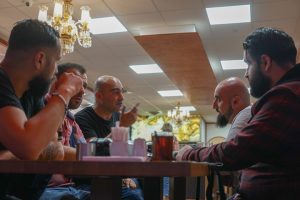
Conversational Evangelism Among Diaspora from Unreached People Groups
By Bill Babione | Conversational evangelism among diaspora from unreached people groups, such as the Ahiska Turks, is most effective when it is relational and intentional. Building genuine friendships, engaging in two-way cultural exchange, and purposefully creating opportunities for dialogue are key.
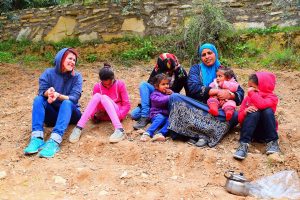
Discipling People Who Struggle to Read
By S.J. Spyker | As refugees and asylum seekers flee situations of violence and terror, they often are disillusioned by what they have seen and experienced. As a result, they frequently arrive in new contexts with an openness to new ideas including hearing about the Lord Jesus. Yet, there are many challenges. One often neglected challenge is literacy. There is a need to develop new methods and resources for ministry to refugees and asylum seekers that better meet their diverse literacy needs. This article is based on the author’s experience in Jordan but highlights what could be done other contexts.

Front Porch Missions: Welcoming People from the Nations in Our Neighborhoods
By Richard Noble | It is helpful to view diaspora ministry as front porch missions. On the front porch, we get to know people and, sometimes, give practical help. With time, the relationship deepens, and we invite them into our homes. Using Allegheny Center Alliance Church in Pittsburgh, PA, as an example, this article helps readers imagine steps they could take to reach their own community's immigrants and refugees for Christ.
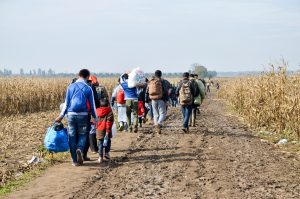
Unsettling the Settled with Resettlement: A Story of Cross-Cultural Outreach to Afghan Refugees in a Chinese-Heritage Church
By Jackie J. Hwang | A Chinese-heritage church was challenged by cross-cultural outreach to Afghan refugees. The members of the church grew spiritually from navigating the challenges in this ministry. It was an opportunity for God to work in and through them in cross-cultural diaspora mission. Lessons learned in making culturally appropriate adjustments and investing in friendships led to spiritual conversations with the Afghan refugees.

Engaging Effectively with the Social Systems of Cities: A Case Study of the Emmanuel Gospel Center and Living System Ministry
By Alan Totire | This is a case study of Emmanuel Gospel Center in Boston and its Living System Ministry approach, particularly in its outreach to refugees and other immigrants. It seeks to answer, “What is LSM, and how does it empower others in mission in the city?” This research sheds light on how a Christian organization or a church can engage the city more effectively. Staff members were interviewed, and an analysis of LSM is given.
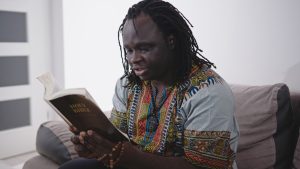
Building Healthy Connections with African Diaspora Churches
By Faustin Ntamushobora | This article explores how African diaspora churches in the United States can foster healthy and mutual enriching connections with non-African congregations. Drawing from my personal ministry and teaching experience, I describe three broad types of African diaspora churches—tribal, denominational, and hybrid—and reflect on their distinct strengths and flaws.
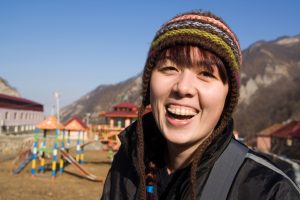
Tibetan Diaspora Ministry – a Reflection
By Zanna Grace | Opportunities exist for Christians to connect with Tibetans who have left their traditional homeland and settled elsewhere, for a time, at least. Nevertheless, there remain significant challenges for Christians who wish to see Tibetans join the number of God’s people around the world.
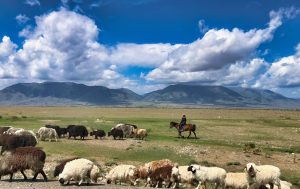
Nomads and Church: Beyond Our Walls
By William J. Stephens | Mongolian nomads, moving from one encampment to another through vast terrains, pose a challenge for church planting. Instead of imposing models of church, let’s learn how Christian nomads themselves experience church. For them, churches are like family reunions, irregular yet incredibly special. Relationships and hospitality are vital. From Stephens’ reflection on his experience, we learn how to do and receive hospitality, and be sensitive to the culture, needs, and expectations of those we engage with.
Evangelism

Friendship Evangelism in the Workplace
By Glenn Deckert | This article narrates the journeys of three adults in diverse cultural settings that took them from unbelief to salvation. These were a Chinese medical doctor in America, a female poet in Hong Kong, and a traveling Iranian businessman. Two were confronted with the gospel in workplace settings, and the other mostly through online conversations. Through friendship, addressing personal needs, and Bible study each came to convincing saving faith. The author draws from decades of diary entries.
Models of Mission
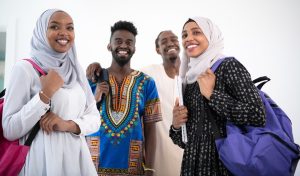
10/40 Window: People or location?
By José Cruz Parada | The 10/40 Window highlights regions where people have least access to Christianity. It encourages Christians to focus missionary efforts on those areas. However, it has led to neglect of diaspora populations, such as Muslims living in the US, who also need outreach. Parada argues that mission should prioritize people over geography. He urges churches to balance global and local efforts and not to overlook unreached groups living nearby.
Missionary Wellbeing

Member-Care During Cultural Adjustment
By Bruce T. Sidebotham | This article helps member-care personnel facilitate personal resiliency, team effectiveness, and good ministry results by assessing culture-stress conditions and coaching workers through the stages of adjustment.
Mobilization

Relationships, Roles, Spirituality: The Keys to Mobilizing New Generations
By Katy White, Dave Jacob, and John McVay | Based on survey results, White, Jacob and McVay outline practical mobilization strategies to overcome the most common obstacles to mission participation and motivate young people to participate in missions. This information could help to transform your recruitment approach and improve your sending effectiveness.