
Bridging the Gap from Stone Age to Space Age

The Jesuits had called them Zamucans; to the Bolivian farmers and villagers living on the edge of the jungle they were Barbaros or Yanaiguas. In great fear the Paraguayans spoke of them as the Moros. They called themselves Ayore, one of the nomadic hunting and gathering tribes of South America.

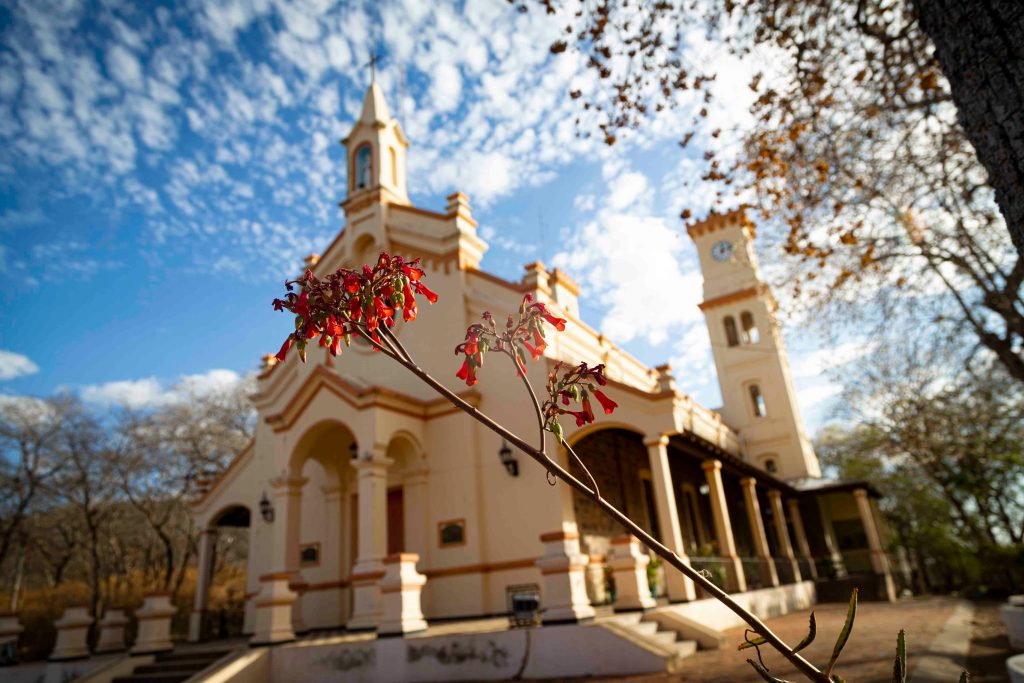
By Frank Paul | Frank Paul discusses the transformation of Mennonite missionary practices from imposition to a more respectful, non-paternalistic approach. It highlights the importance of listening, empowering indigenous people, and fostering mutual respect. The shift towards intercultural dialogue and fraternal accompaniment has led to a more respectful and effective missionary presence in the Argentine Chaco.

Missionaries today can focus their energies on all kinds of needy peoples or special ministries, such as tribal work, urban evangelism, street children, radio work, or Jewish and Muslim evangelism. Left out, however, has been a type of people among whom God’s work of blessing the nations first began—the nomads.
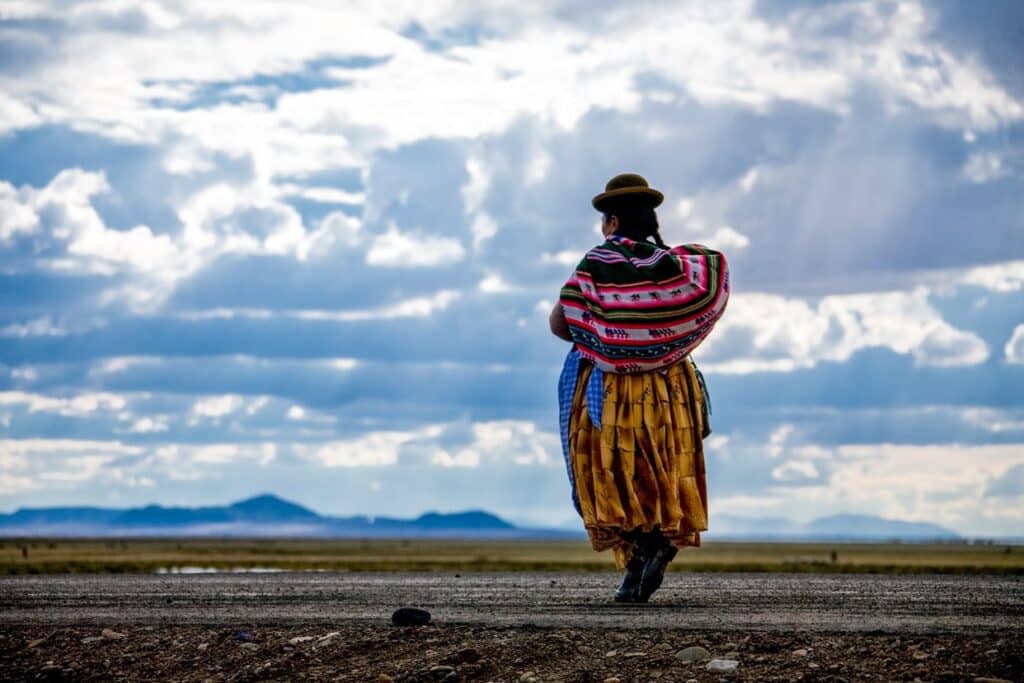
By Pío Víctor Campos Barco | Nearly half of Bolivia’s population come from its Indigenous communities of which the Quechua are the largest. Yet gospel resources in Quechua remain limited. While many Quechua people enthusiastically participate in church, few have experienced the transformation of the gospel because they don’t understand it.
Missionaries today can focus their energies on all kinds of needy peoples or special ministries, such as tribal work, urban evangelism, street children, radio work, or Jewish and Muslim evangelism. Left out, however, has been a type of people among whom God’s work of blessing the nations first began—the nomads.
Please confirm you want to block this member.
You will no longer be able to:
Please note: This action will also remove this member from your connections and send a report to the site admin. Please allow a few minutes for this process to complete.