




EMQ » Jul – Aug 2025 » Volume 61 Issue 3

Summary: People in every country have many legitimate life concerns. God wants to help with these felt needs. Handled carefully, felt needs can be a door opener, an evangelism tool, and even an ongoing discipleship tool. Prayerfully looking for felt needs is an important way to spread the gospel in every culture of the world.
By Sally Folger Dye, T. Wayne Dye, and Edie Bakker
An unexpected visitor identified himself as the datu (traditional village leader) of a distant village in a language group in southern Mindanao. He quickly got to the point. “I heard that you were talking about sending people to our villages to explain what this new Christian faith is all about.”
Yes,” I admitted, “we did talk about that after church yesterday.”
“In that case, I want my village to be the first to hear.”
“Okay, we will do what we can,” I replied, “but tell us why you want to learn about Christianity.”
“All of us in this area have the same problem,” he explained. “Now that loggers have built roads into these forested mountains, lowlanders come into our tribal area, ply members of our villages with alcohol, and then ask them to sell plots of land. Often a villager agrees to sell, thinking that lowlanders handle land like we do, as a three-year loan from the community. But the lowlanders immediately take the “sale” paper to the government office on the coast and register it under their name. When our villagers find out, they give up and move further into the forested mountains. The problem is that another tribe is moving into the same mountains from the other side. Soon we will both run out of land.
“The only hope is for our people to stand by their communities by not selling no matter what the blandishments. I noticed that Christian villages are public spirited, and they aren’t losing their land like the rest of us. So, I want our village to become Christian and start caring more for one another.”
In Veracruz, Mexico, an unbeliever came to the Bible translator and asked, “Do you have any medicine for drunkenness? I can’t seem to stop drinking and it’s ruining my family.”
“No,” she replied, “there is no medicine for it, but you can pray and God will help you. Do you want me to pray with you?”
There were many stories like this one in rural Mexico through the 1970s. Sometimes the one who prayed came back later wanting to know more about this Jesus Christ who helped him or her overcome drunkenness.
Terry, a seventy-four-year-old American, was an avowed Agnostic, having been turned from Christianity by a money minded priest in his youth. He would not allow a word of the gospel to be spoken in his presence. Because he lived in Edie and Rob’s home, they found a few opportunities to present a truer picture of the gospel, but he remained hardened. Later he moved to Mexico to be with his estranged wife. Soon their finances were in shambles. Finally, he reached out to us for advice and began praying to God as best he understood how. Long before he was able to solve his financial problem, he became a committed follower of Jesus.
Many people come to Jesus for their needs to be met. This has remained true throughout history and throughout the world. Fifty years ago, we did a grounded theory study of fifteen Bible translation projects to learn why some resulted in so many more believers than others. The most solid result of that research was this observation: People respond to the gospel in proportion to their conviction that God and his word are relevant to the concerns of daily life. Since that time, the principle of personal relevance to daily concerns has been explored in hundreds of ethnic groups around the world. It has stood up well! In fact, showing how God wants to meet felt needs is such a common practice that we Christians might not notice that the church has been doing it all along.
Felt Needs in the New Testament
The Gospels present multiple examples of people turning to Jesus to meet some kind of need. Jesus’ first miracle met a social need. Jesus turned water into wine to keep a wedding party from being ruined (John 2:1–11). This was the beginning of his ministry.
Jesus frequently met physical needs as he spread the good news. “Jesus went throughout Galilee, teaching in their synagogues, proclaiming the good news of the kingdom, and healing every disease and sickness among the people. News about him spread all over Syria, and people brought to him all who were ill with various diseases, those suffering severe pain, the demon-possessed, those having seizures, and the paralyzed; and he healed them” (Matthew 4:23–24; 9:35–36).
Jesus also addressed other physical needs of life, including the need for food and clothing (Matthew 6:28–34). When Jesus sent out the seventy-two, his ministry instructions were “Heal the sick who are there and tell them, ‘The kingdom of God has come near to you’” (Luke 10:9).
Jesus met spiritual needs too, by forgiving people’s sins. Jesus addressed the needs of the politically oppressed with the story of the good Samaritan (Luke 10:25–37). The apostles summarized Jesus’ ministry this way “And you know that God anointed Jesus of Nazareth with the Holy Spirit and with power. Then Jesus went around doing good and healing all who were oppressed by the devil, for God was with him” (Acts 10:38, NLT). Addressing needs seems to have been the primary way Jesus attracted people to the gospel.
The first century Christians followed his lead as they preached the good news. Peter healed people’s physical needs. “As a result, people brought the sick into the streets and laid them on beds and mats so that at least Peter’s shadow might fall on some of them as he passed by. Crowds gathered also from the towns around Jerusalem, bringing their sick and those tormented by impure spirits, and all of them were healed” (Acts 5:15–16).
In fact, the emphasis of the earliest church was on meeting another kind of need. “All the believers were together and had everything in common They sold property and possessions to give to anyone who had need” (Acts 2:44–45).
Paul too, as much as he is known as a great theological teacher, took time to meet people’s practical needs. “God did extraordinary miracles through Paul, so that even handkerchiefs and aprons that had touched him were taken to the sick, and their illnesses were cured and the evil spirits left them” Acts 19:11–12).
Felt needs today
People have many kinds of felt needs. For example, there are material needs, health, and strength to provide for one’s family, and protection and safety. In addition, people everywhere have many intangible needs, such as autonomy, a future, comfort, guidance, competence, wisdom, and social well-being. The psychological literature would add the need for life purpose to this list,i and Christians realize that relief from guilt and shame are common felt needs as well.
The society people live in often determines the types of needs they feel. However, the needs individuals are concerned about go beyond the list in their culture. In the complex intricacies of daily life, people will find themselves with many felt needs that are perhaps on no one’s list but their own.
We believe that God meets many kinds of needs as he works to bring people in every society to himself. It is in the places where our needs are greatest that we are drawn to dependence on him. Paul, the apostle, said, “But he said to me, ‘My grace is sufficient for you, for my power is made perfect in weakness’” (2 Corinthians 12:9).
Here is a partial list of intangible needs that God promised to meet:
- Family – Galatians 4:7
- Identity – Ephesians 1:13
- Knowing God – John 17:22–23
- Friendship – John 15:15
- Relationships – Mark 10:29–30
- Honor and self worth – John 12:26
- Inheritance – 1 Peter 1:4
- Comfort and guidance – John 14:16
- Purpose – John 15:16; Eph 2:10
- Wisdom – James 1:5
- Peace – John 14:27
- Overcoming sin – 1 Corinthians 10:13
- Freedom from guilt and failure – 1 John 1:9
This list is by no means exhaustive. God’s grace extends to every category of need, however unique. Jesus said, “Until now you have not asked for anything in my name. Ask and you will receive, and your joy will be complete” (John 16:24).
Concerning Doubts About Using Felt Needs
Recently objections have been raised about the use of felt needs in evangelism and discipling believers. These have been based on three concerns: emotional manipulation, the prosperity gospel, and God’s right to our worship.
The first charge, emotional manipulation, arises from the concern that evangelists will pull a bait-and-switch on potential converts, making false promises on God’s behalf to coerce conversion. Evangelism done this way is indeed manipulation since it is rooted in deception. However, talking about needs that God has promised to meet in his word is merely sharing good news. We advocate using real biblical promises and including the whole picture of God’s sovereignty and the conditions around some promises.
The second charge is that the use of felt needs for evangelism is a kind of prosperity gospel, the false claim that God desires to make people happy, healthy, and wealthy, and that a lack in any of those three areas is due to an individual’s sin or lack of faith. This perspective is a perversion of what the Bible teaches. Both the pre-sin world of the garden of Eden and the post-sin world of the new heaven and the new earth show us that God does want people to be happy, healthy, and fulfilled enough to thrive, not just survive. However, we currently live betwixt and between, groaning with the rest of creation while we wait for the fulness of redemption (Romans 8:22).
God deeply desires our holiness, and he promises to redeem all our suffering. He frequently uses the pain and sorrow of this world to enable us to grow in perseverance and love for others. However, he neither enjoys our pain nor is apathetic towards it. Isiaih it wrote, “In all their distress he too was distressed” (Isaiah 63:9, NLT).
The third objection is that we should come to God simply because he deserves our worship and honor; it is wrong to do it on the basis of our needs being met. This objection seems valid at first; God does truly deserve our worship and much more. However, it ignores biblical teaching about unredeemed human nature. Only with the sanctifying power of the Holy Spirit can a person love God with a pure love. Jesus has provided the example. By healing people and feeding them, he laid the foundation of trust necessary to follow him.
Ministering Spiritually Through Felt Needs
The process of leading people to Christ and encouraging them to grow in faith can be thought of in two phases: preparation and conversational ministry. We recommend that those who want to use felt needs in ministry prepare in this way:
- Pray for those around you. People who do this, often find that others are led by God in their direction with their needs.
- Continually look for passages of Scripture that apply to felt needs of others, not just your own. As you learn more about the needs others feel, search for biblical passages that deal with those needs.
- Memorize several passages that you feel can be applied to many different situations.
- Learn to pray for your own needs and to recognize how often God is involved in a Christian’s life in ways that could go unnoticed. At the same time, pray for humility to recognize that God also cares for and wants to bless others.
Those working in a different subculture often misunderstand the common hopes, goals, hurts, and felt needs around them. One needs to look very carefully at other cultures to determine their needs. However, some needs are almost universal, including:
- Hopes for the future for the individual and his or her family
- Physical illnesses
- Depending on the community: finances or work
- Emotional instability and feelings of failure
When learning about a community, it is important to really listen prayerfully and respectfully. This may sound like a great deal of work, but it is valuable for understanding each person’s felt needs well enough to be an effective witness.
Conversational ministry typically involves these steps:
- Make real friends. Respectfully listen to their specific needs! There is an important truth in the saying, “People don’t care what you know until they know that you care.” Ask God to help you be the person that others sense will care for them when they have serious concerns.
- As opportunity arises, draw these needs out into the open in a way that shows friendship and caring more than inquisitiveness.
- Share how God helped you or others, and how he promises to meet those needs.
- Pray with or for them on the matter concerned. Pray that they will come to see God’s care and readiness to help them, too. The goal is that more and more they will come to God themselves, not look to you for answers.
Felt Needs and Discipleship
Felt needs are a valuable tool not only for evangelism but also for spiritual growth. Throughout life, felt needs continue to draw Christians to lean on God’s grace and to seek him in areas of weakness. Unfortunately, when people don’t think God meets their needs, they try to find other ways to meet them. They may conclude that God really doesn’t care about them, or that he isn’t very strong, or even that if he really loved them, he would approve of their own ways of meeting their needs. They lose interest in hearing from and about God. As a result, their relationship with God becomes limited and weak.
Not addressing felt needs can result in split-level Christianity. Many Christians attend church on Sunday but do not see Jesus as able to help with their needs throughout the rest of the week. Many assume that, since God doesn’t meet those needs directly, he must approve their use of these methods. Unfortunately, doing these bypasses their connection with God and can hinder his purpose of having an intimate relationship with himself (e.g. John 15:15; Revelation 3:20.) Here are two examples from Papua New Guinea.
The people of Karkar Island, off the northeast coast of Papua New Guinea, had been concerned for several weeks about the volcano that had recently begun rumbling and puffing smoke. The inhabitants of the island, Christians and long-time churchgoers, approached the foreign Bible translator with an idea. “We’ve decided what we should do,” they said. “We’ll sacrifice a pig to the god of the volcano; that should solve the problem. The missionary, understandably surprised, inquired, “Wouldn’t you want to talk to God about that?”
“Oh no,” they said, “that’s not his job. He’s too high for that. It’s just like our government; the prime minister doesn’t do everything. He appoints lower people to take care of smaller things.”
In another part of Papua New Guinea, when a missionary and some local pastors were visiting a village, they heard a teenage girl screaming and crying. They asked one of the local men what was happening. “The girl is being tormented by the spirit of her grandmother,” he replied.
Concerned, the missionary asked, “What will happen?”
“The deaconess is her spiritual mentor,” he said. “She will handle it.”
The missionary then asked if the deaconess would like him and the pastors to join her in prayer. “Oh no,” said the man, “you don’t pray for things like that. She’ll use magic.”
In both of these groups there was the feeling that God is the god of things like sin and eternal judgement, but he is not the god of the personal life issues like erupting volcanoes and local spirits. He is the god of salvation but not provision. He is certainly not the god of full fishing nets, mutually beneficial trade deals, or good grades in school. The belief is that they must take care of these needs in other ways.
We were in a very different setting, talking with some wealthy auto executives at a church in Detroit, Michigan. During a casual discussion about work in which they mentioned various struggles, we asked them, “How do you find God’s help in your work?”
They responded, “In our work, we never pray for these things because it would be an admission of weakness. We solve things ourselves.”
Many people expect problems to be solved either by self-effort or with the aid of a knowledgeable person such as a doctor or lawyer or even a shaman in some cultures. In each of these situations, failing to rely on God undermines a Christian’s relationship with the Creator. The reason God created humans was to have a relationship with them. We believe that people in every country have many legitimate life concerns and that God wants to help in some way with all of them.
In this paper we have presented a methodology for evangelism and discipleship that seeks to use felt needs in a biblical way. Handled carefully, felt needs can be a door opener, an evangelism tool, and even an ongoing discipleship tool. Prayerfully looking for felt needs is an important way to spread the Gospel in every culture of the world.

Sally Folger Dye (sally_dye@diu.edu) is a recently retired Scripture engagement teacher at Dallas International University. Sally was an anthropology and Scripture engagement consultant with SIL for forty years, co-leading seminars in many countries. Sally has an MA in missiology from Fuller Theological Seminary. She and her husband, Wayne, have thought through their ideas together and can no longer untangle how those ideas developed.
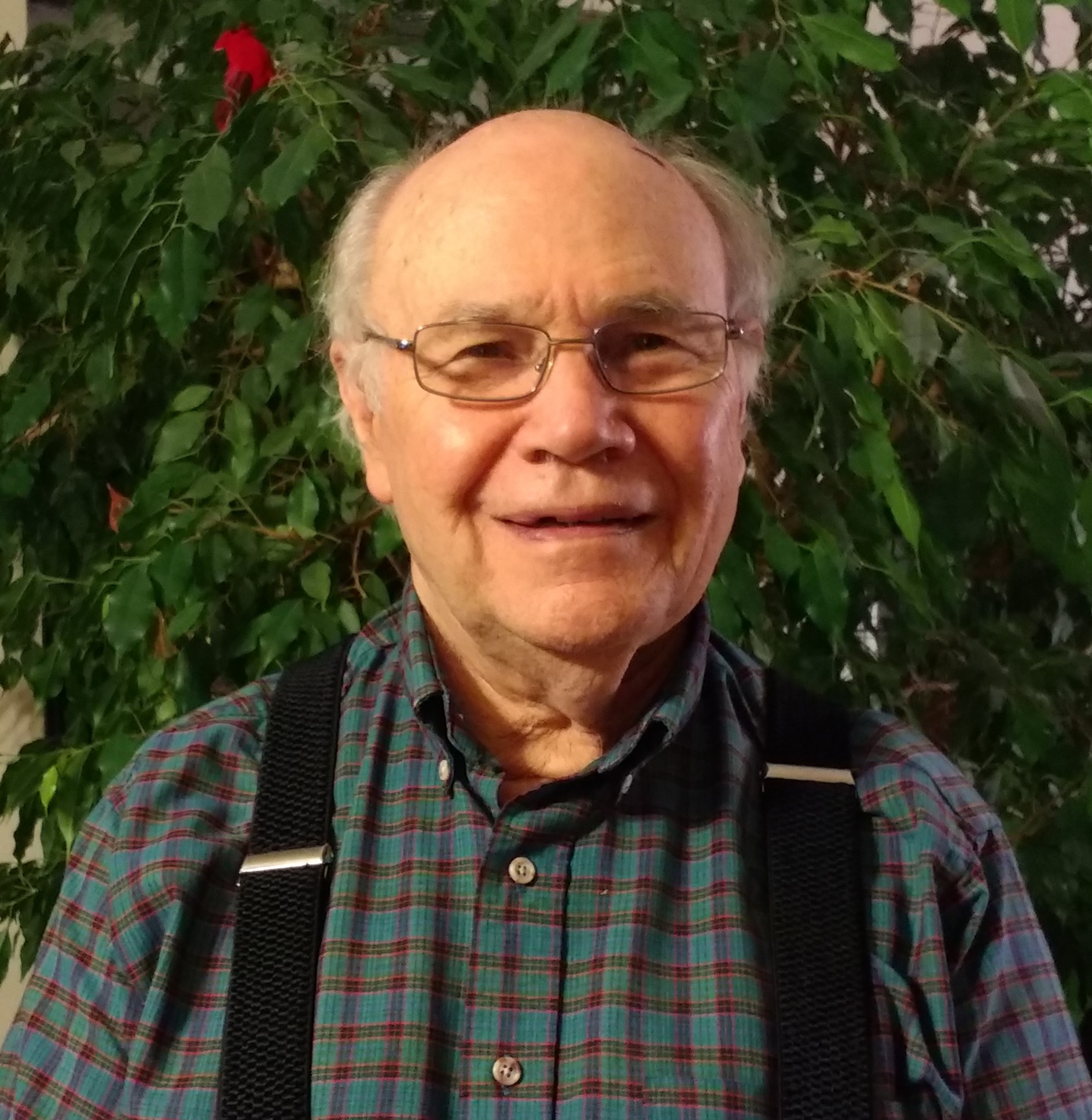
Wayne Dye (wayne_dye@diu.edu) is an emeritus professor at Dallas International University and has been an SIL international consultant for fifty years. Wayne has an MA in anthropology and a PhD in Intercultural Studies. He and his wife, Sally, worked in more than thirty countries, and discussed the faith with believers in more than a hundred ethnic groups.

Edie Bakker (edierainforest@yahoo.com) was raised in Papua New Guinea, the daughter of Christian missionaries. She later returned to lead two expeditions to save a rainforest and write about them for National Geographic. Edie has a BA in anthropology and has been a lifelong student of the Bible. She is currently involved in evangelism in Costa Rica. Her books can be found on Amazon.com under Edie Bakker.
[1] Patrick E. McKnight and Todd B. Kashdan, “Purpose in Life as a System That Creates and Sustains Health and Well-Being: An Integrative, Testable Theory,” Review of General Psychology 13, no. 3 (2009): 242–51, https://doi.org/10.1037/a0017152.
EMQ, Volume 61, Issue 3. Copyright © 2025 by Missio Nexus. All rights reserved. Not to be reproduced or copied in any form without written permission from Missio Nexus. Email: EMQ@MissioNexus.org.



Responses