Partnering with Oral Learners

Presenters: Rob Harvey, Executive Director, Orality Nexus
Stephen and Tricia Stringer, Scripture Resource Strategists, IMB
Develop your oral strategy and programs by more effectively collaborating with the best practices and practitioners. Project examples will include scripture engagement and trauma healing within the Middle East and North Africa region.
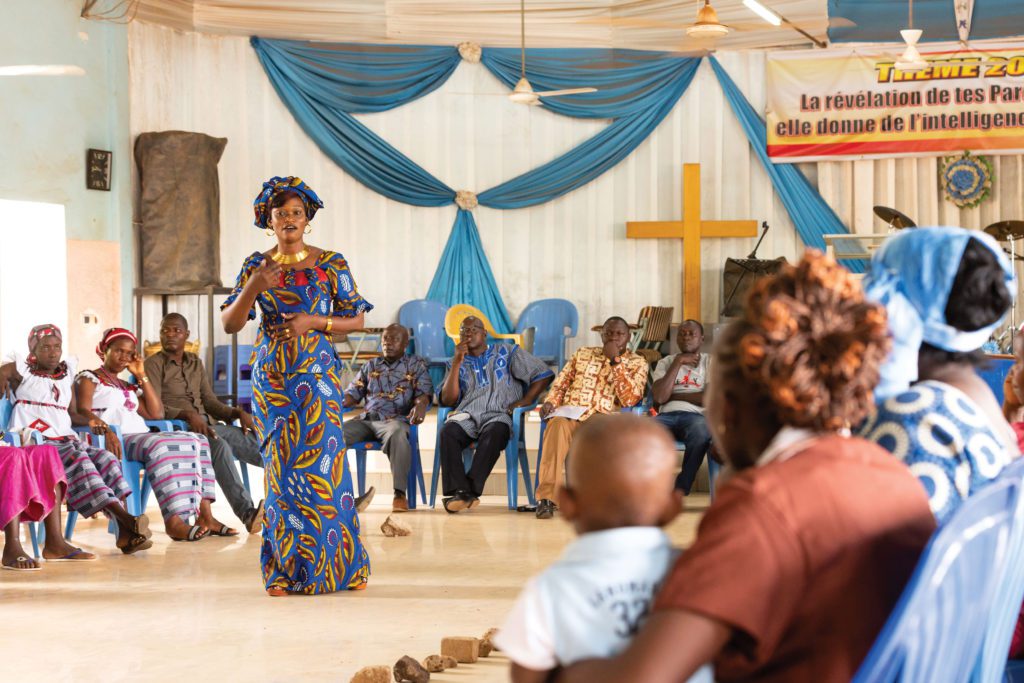
The majority of the world’s unreached people groups are made up of oral preference learners, who often have no written language of their own. In order to reach them, we develop story sets are Mother-tongue speakers which effectively spread God’s Word through their communities.
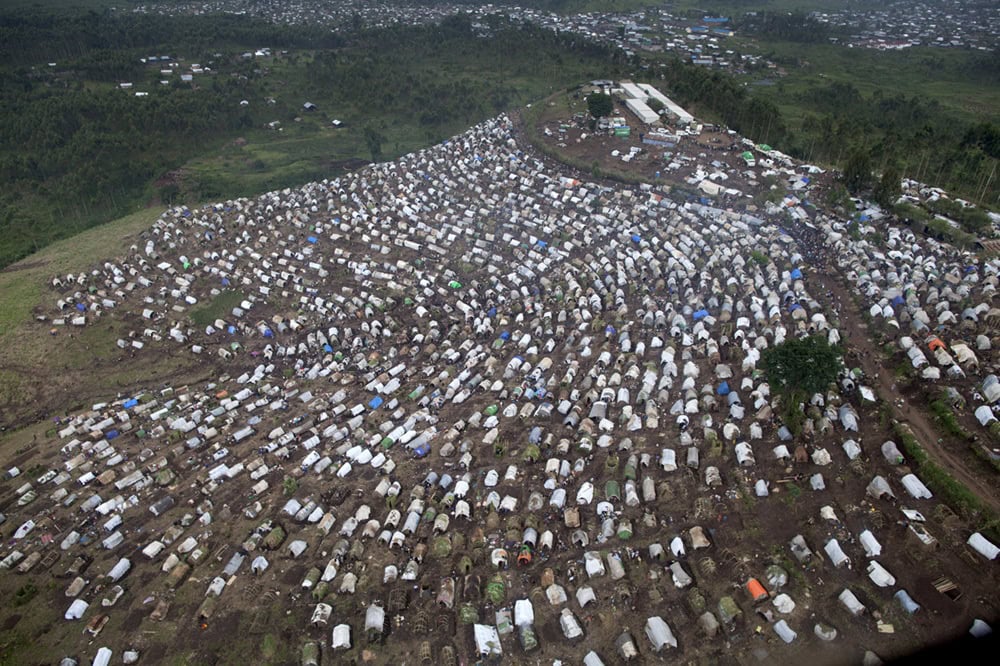
Every day thousands of hurting people wake up without hope for their future. We’ll share a pilot program that serves hurting people by walking alongside them as they begin their journey of healing through experiencing on-going, multiplying healing communities, finding faith in the ultimate healer, and finding purpose for their lives.
Rob Harvey is CEO of Mission Advisors, which builds people and systems for Kingdom Partnerships. An example of this initiative is Orality Nexus, which serves and supports indigenous disciple making movements through oral strategies by working together to provide God’s Word for every people and language. He is also a member of the International Council for the International Orality Network. Today he is joined by Stephen and Tricia Stringer who are scripture resource strategists with the IMB.